


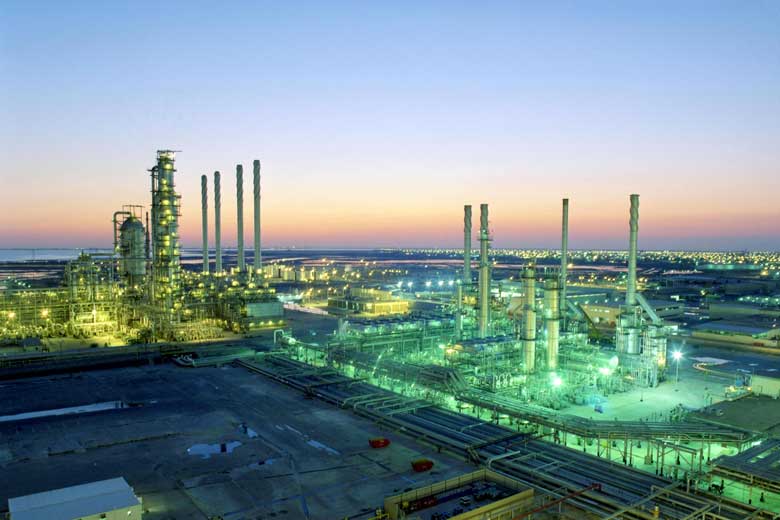
Reports that the Ras Tanura oil facility has been struck and that production has been halted have sent shockwaves through global energy markets. Ras Tanura is not a marginal site. It is one of the largest crude oil export terminals in the world and a critical artery for supplies flowing to Asia, Europe, and the United States.
How Many Barrels Per Day Are Off the Market?
Roughly 5 to 7 million barrels per day typically move through Ras Tanura. Saudi Arabia produces around 9–10 million barrels per day on average, with maximum capacity exceeding 11 million.
The real impact depends on the scale of the disruption:
If only part of the operation is affected, the loss could be in the range of 1–2 million barrels per day.
If the terminal is fully blocked, more than 5 million barrels per day could be temporarily disrupted.
If the damage is severe and prolonged, this shifts from a market scare to a genuine supply crisis.
Energy markets react instantly to geopolitical risk in the Gulf. A disruption above 3 million barrels per day lasting several weeks would likely push prices sharply higher.
Are There Alternative Supply Options?
Saudi Arabia does have mitigation tools: The East-West pipeline allows crude to be rerouted to Red Sea ports. The kingdom maintains 1–2 million barrels per day of spare capacity under normal conditions. The United States could release oil from its Strategic Petroleum Reserve to stabilize markets in the short term. Other OPEC producers, such as the UAE, may increase output modestly.
However, none of these options fully offsets a large and sustained shutdown at Ras Tanura.
What Happens to Oil Prices?
In an escalation scenario, oil prices could spike 10% or more in a single trading session. If additional strategic infrastructure is targeted or regional tensions intensify, prices could move into a higher sustained range, potentially exceeding $120 per barrel.
If the damage is limited and exports resume quickly, markets may correct after the initial surge.
Global Economic Impact
Higher oil prices feed directly into inflation, transportation costs, aviation, petrochemicals, and broader financial markets. Any prolonged instability in the Persian Gulf increases the risk of a wider economic slowdown.
At this stage, the central question is not whether prices will rise. The key issue is how long the disruption lasts and how many million barrels per day are genuinely removed from global supply. Those two variables will determine whether this is a short-term shock or the beginning of a new global energy crisis.