


















Natural gas prices in Europe rose sharply after fighting in the Middle East fueled fears of a serious disruption to global energy supplies, Bloomberg Adria reports.
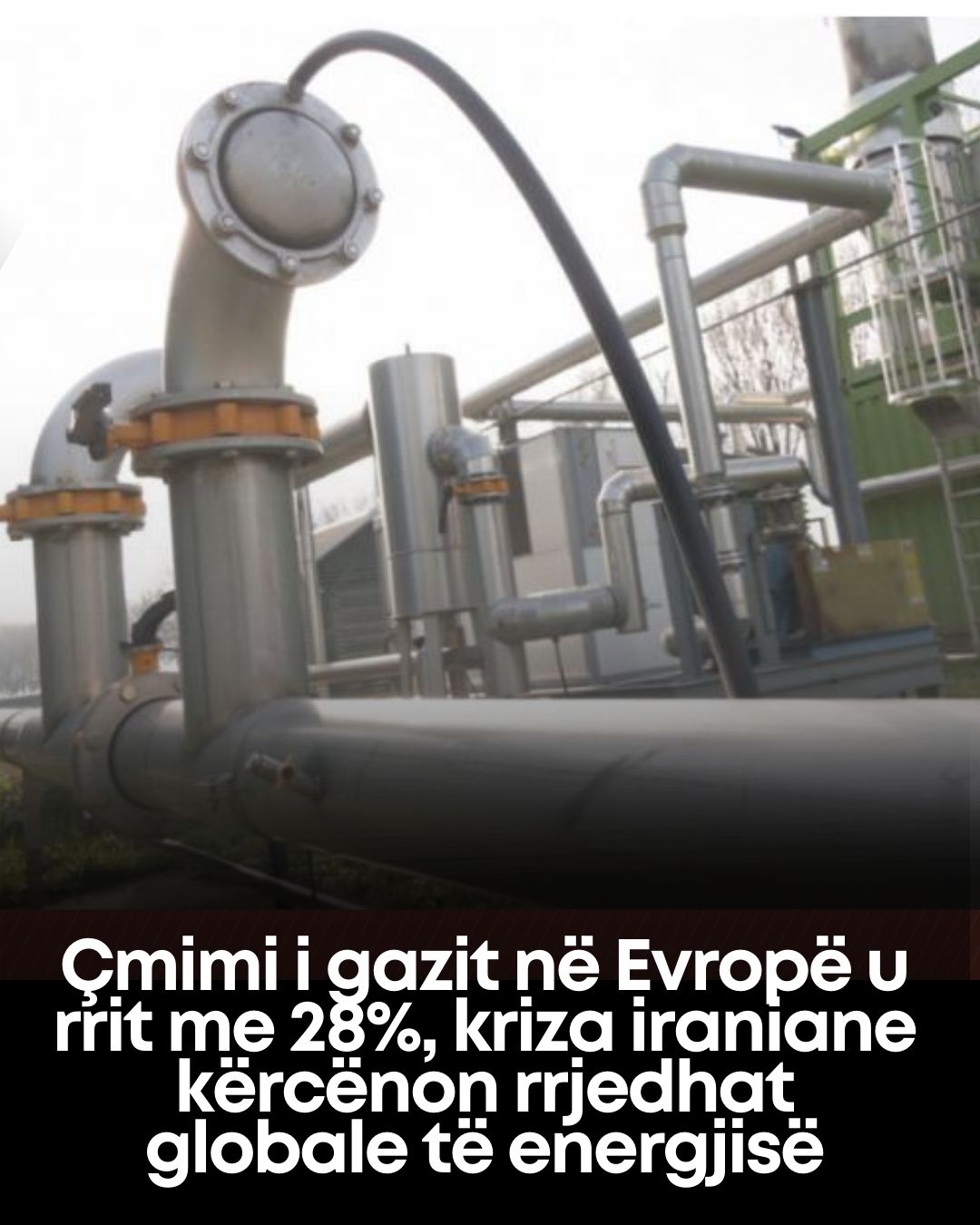
Benchmark futures jumped by as much as 28 percent, marking the biggest daily gain since August 2023, after tanker traffic through the Strait of Hormuz was largely suspended over the weekend.
This narrow maritime passage is a key route for transporting energy products, with around 20 percent of global liquefied natural gas (LNG) exports passing through it. Oil prices also increased significantly.
The situation threatens to trigger the most serious shock to the gas market since Russia’s invasion of Ukraine four years ago, which disrupted global energy trade. Although Asian countries purchase most of the LNG shipped from the Middle East, any supply disruption would intensify competition for alternative sources, driving prices higher worldwide, including in Europe.
Europe is particularly vulnerable. Gas storage levels are extremely low, and the region needs to import large volumes of LNG during the summer to refill reserves ahead of next winter. If shipping through the Strait of Hormuz is suspended for a month, European gas prices could double, according to estimates by Goldman Sachs Group Inc.
The conflict escalated over the weekend after the United States and Israel struck Iran. Tehran responded with attacks on several locations. LNG tankers scheduled to load in Qatar and the United Arab Emirates are now delaying departures or changing routes, according to available data. At the same time, Israel shut down several gas fields, prompting major importer Egypt to seek additional LNG supplies.
Iran has stated that it does not intend to close the Strait of Hormuz, but vessels began avoiding the passage almost immediately after the conflict erupted on Saturday. Meanwhile, Qatar announced a temporary suspension of all maritime navigation.
Dutch front-month futures contracts, a benchmark for European gas prices, were trading 20 percent higher at 38.44 euros per megawatt-hour at 8:04 a.m. Amsterdam time.