

















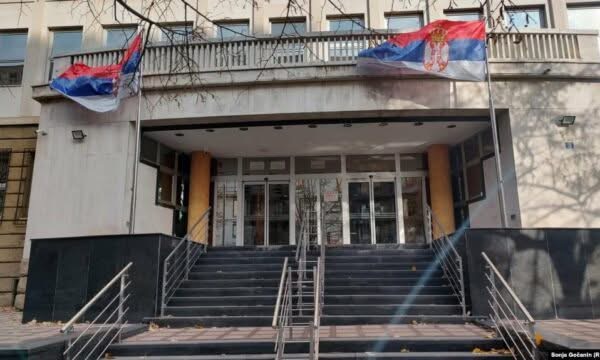
A court in Belgrade has sentenced former Kosovo Liberation Army (KLA) member Gjelosh Krasniqi to 15 years in prison in absentia on charges of war crimes committed during the Kosovo war.
On February 26, Krasniqi was found guilty of killing three people and wounding a Serbian civilian in June 1999 in the village of Bellopojë near Peja.
The Humanitarian Law Center in Serbia stated that the indictment against Krasniqi was based primarily on witness testimonies and limited forensic and medical evidence, and that the court-appointed defense lawyer had no contact with the defendant.
The NGO emphasized that cooperation with Kosovo’s judicial institutions is essential for prosecuting crimes committed against Serbs in Kosovo.
“Especially given the fact that Krasniqi was convicted for crimes against civilians by the District Court of Peja in 2009,” the statement said.
It also noted that trials in absentia in Kosovo war crimes cases are becoming increasingly frequent and that “there is an impression that the motives for initiating such proceedings partly stem from legal retaliation rather than exclusively from the pursuit of justice for the victims.”
The organization recalled that Serbia’s War Crimes Prosecutor’s Office has so far filed seven indictments against individuals not available to the Serbian judiciary, five of whom are Kosovo citizens accused of crimes committed against the non-Albanian population.
Since 2014, the War Crimes Prosecutor’s Office has not filed any new indictments related to crimes in Kosovo against individuals who are Serbian citizens.
Responding to these criticisms, the War Crimes Prosecutor’s Office previously told Radio Free Europe that “they initiate and conduct proceedings in accordance with the evidence and the law.”
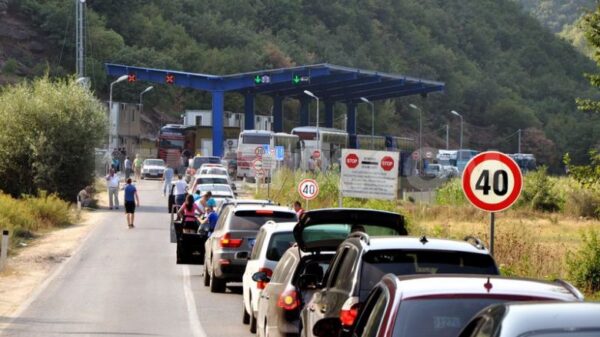
In addition to filing indictments and conducting trials in absentia, Serbia has continued detaining Kosovo citizens at border crossings.
The most recent arrest occurred on February 5, when a former KLA member was detained at the border crossing between Serbia and Croatia. At the time, the European Commission warned that the arrest and prosecution of a Kosovo citizen by Serbian authorities represented another breach of Serbia’s obligations under agreements reached within the EU-facilitated dialogue between Belgrade and Pristina in Brussels.
“Serbia has committed not to initiate criminal investigations or prosecutions for alleged crimes committed in Kosovo, unless requested by Kosovo authorities,” a spokesperson for the European Commission told Radio Free Europe.
He added that allegations of war crimes and other serious crimes fall under the jurisdiction of Kosovo’s institutions and called on Serbia to fulfill its obligations.